
Reasons for a Failed Fire Pump Test & Next Steps
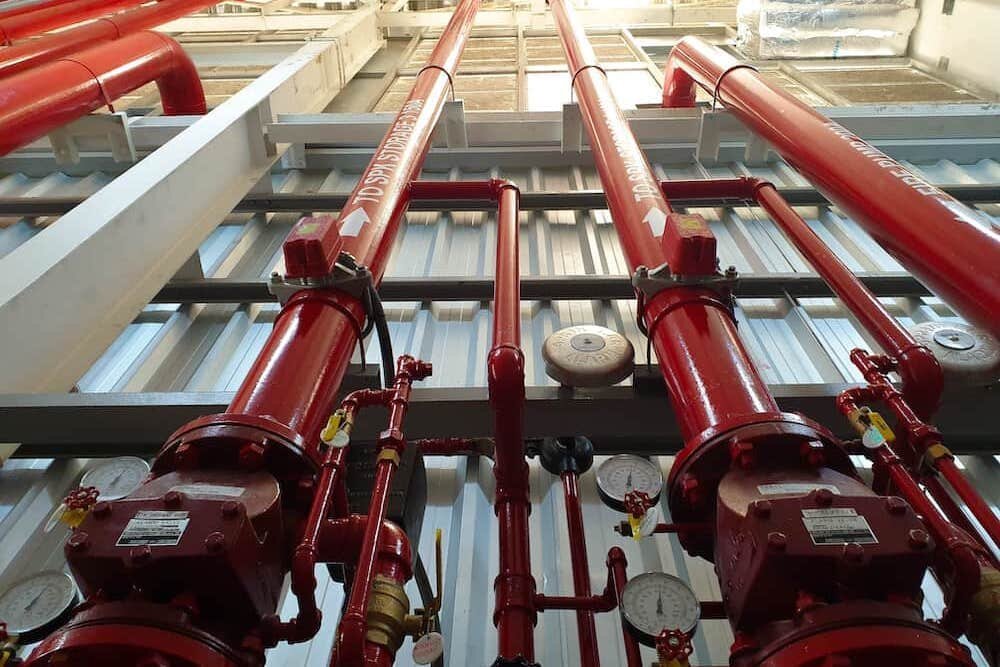
Each year, fire suppression systems must undergo a fire pump flow test to ensure compliance with industry standards. This test evaluates the flow rate of the fire line being tested. A low flow rate increases the likelihood of a failed test, which can compromise building safety and code compliance.
Several factors can contribute to a fire line’s low flow, including the type of fire line system, the pipeline material, and the substances transported. Most fire line systems are constructed from metallic pipes, with cast iron being the most common material. The primary cause of low flow in these pipes is tuberculation, a buildup inside the pipe that restricts water movement.
Keep reading to learn more about fire line tuberculation, how to detect it, and how American Pipeline Solutions can restore and maintain optimal fire line performance.
What Causes Tuberculation in Fire Lines?
Tuberculation occurs primarily in metallic pipelines, including cast iron and ductile iron pipes. It is caused by chemical reactions between bacteria in the fire line water and the iron in the pipe’s interior. Over time, this reaction creates a buildup, known as pipe scale or tuberculation, which narrows the pipeline and disrupts flow.
Left untreated, tuberculation can significantly reduce the efficiency of your fire suppression system and increase the risk of a failed fire pump test.
Pipeline Experts: Inspection, Cleaning, Coating & More
Certified solutions for inspection, pre-commissioning, cleaning, internal coating, ice pigging™, mapping, and turnkey pipeline projects—maximizing safety and reliability at every stage.
How to Detect Tuberculation?
The most common indicator of tuberculation in a fire line is low flow during a fire pump test. Additional signs may include uneven pressure readings or water discoloration.
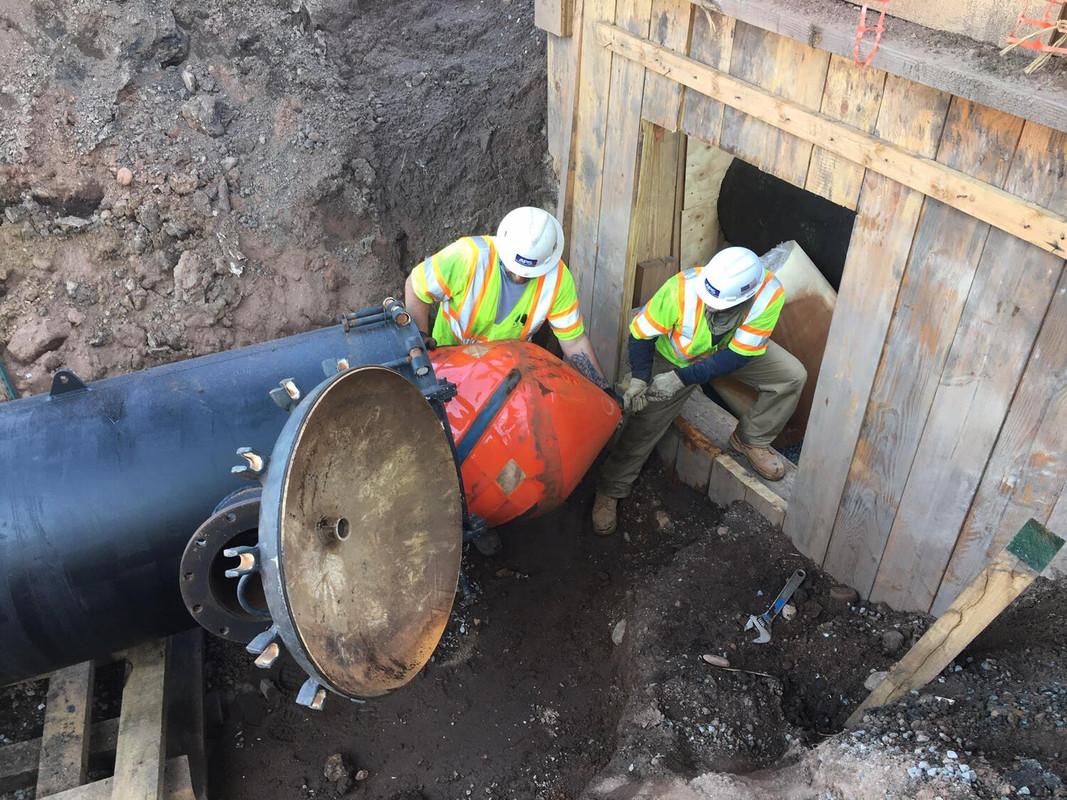
At American Pipeline Solutions, we begin by performing a visual inspection of the fire line to determine the severity and location of the buildup. This inspection allows our team to assess the thickness of the tuberculation and plan the most effective cleaning approach.
Determining the Best Cleaning Approach
While replacing your fire line can remove tuberculation, it is often not cost-effective. Moreover, without proper prevention measures, new pipes can develop the same issue over time.
APS offers targeted solutions to clean and restore your existing fire lines. Our approach includes reviewing as-builts and fire line drawings, conducting a site visit, and creating a comprehensive proposal that outlines the recommended fire line descaling method.
Fire Line Descaling Methods
APS addresses tuberculation using a combination of:
Pigging
Rotary head technology
Picote mechanical equipment
The method chosen depends on the characteristics of the fire line.
Pigging is not typically the first choice for heavy-scale buildup, as foam pigs can break apart instead of removing the scale. Instead, APS often relies on Picote mechanical equipment, which applies stronger force to remove pipe scale efficiently. This method uses less water than pigging or rotary head technology while effectively cleaning the fire line.
Preventing Future Scale Build-Up and Low Flow
After cleaning, your fire line’s flow rate will return to optimal levels. To maintain this performance, fire lines should be cleaned approximately every five years. Without routine maintenance, tuberculation will reoccur, potentially leading to another failed flow test.
Epoxy coating offers a long-term solution to prevent future tuberculation. Unlike repiping, which can take several weeks and disrupt system operation, epoxy coating is a cost-effective, trenchless solution. Coating your cleaned pipelines can prevent tuberculation for up to 50 years, extending the life of your fire line while minimizing downtime.
Why Choose APS for Fire Line Cleaning and Prevention?
With extensive experience in fire line descaling and epoxy coating, APS provides reliable, industry-standard solutions that restore flow, improve efficiency, and ensure fire line compliance. Our team specializes in:
Fire line cleaning and tuberculation removal
Pipe descaling for metallic pipelines
Long-term prevention with epoxy pipe coating
Maintaining optimal flow rates for fire suppression systems
Take the Next Step
If your fire line has low flow or has failed a fire pump test, don’t wait for issues to worsen. Contact American Pipeline Solutions today to schedule a fire line inspection and learn more about our tuberculation cleaning and prevention services.
Pipeline Experts: Inspection, Cleaning, Coating & More
Certified solutions for inspection, pre-commissioning, cleaning, internal coating, ice pigging™, mapping, and turnkey pipeline projects—maximizing safety and reliability at every stage.
FAQs Reasons for a Failed Fire Pump Test & Next Steps
What are the most common reasons a fire pump flow test fails?
A fire pump test usually fails when the fire line can’t deliver the flow and pressure required by design or code. In metallic fire mains, the most common culprit is tuberculation—internal scale buildup that narrows the pipe. Other contributing factors include aging pipe, poor maintenance history, partial blockages, or restrictions at valves, fittings, and backflow devices that reduce effective internal diameter.
What is tuberculation in a fire line and why is it a problem?
Tuberculation is a form of internal corrosion scale that develops on metallic pipes such as cast iron and ductile iron. It’s caused by reactions between iron in the pipe wall and bacteria or minerals in the water. Over time, these “mounds” of corrosion products grow into the flow path, narrowing the pipe, disrupting hydraulics, and reducing the flow available during a fire pump test or emergency event.
How can I tell if tuberculation is causing my fire pump test to fail?
The clearest sign is low flow or low pressure during the annual fire pump test compared to the system’s design values. You might also see uneven pressure readings at different test points or notice discolored water during testing or flushing. To confirm, American Pipeline Solutions performs visual inspections where possible, reviews as-built drawings, and targets segments most likely to be heavily scaled for more detailed assessment.
Do I need to replace my fire main if it fails a fire pump test?
Not always. Full replacement is expensive, disruptive to the building, and doesn’t prevent new tuberculation from forming in fresh pipe. In many cases, APS can restore performance by mechanically descaling the existing fire line, verifying improved flow, and then applying an internal epoxy coating. This approach often costs less than repiping, can be completed faster, and extends the useful life of the existing fire main.
How does APS clean and descale a tuberculated fire line?
APS starts with an engineering review of your fire line drawings and a site visit to confirm layout, access, and condition. Based on what we find, we select a descaling method such as pigging, rotary head technology, or Picote mechanical tools. For heavy, stubborn scale, Picote equipment is often preferred because it applies strong mechanical force directly to the deposits while using less water than traditional pigging or purely hydraulic methods.
Why isn’t pigging always the best choice for heavy scale in fire mains?
Pigging can work well in some fire systems, but foam or soft pigs tend to deform or break apart when pushed through severe tuberculation. Instead of cutting and removing the deposits, they may simply squeeze around them or leave pieces behind. In heavily tuberculated metallic mains, APS often prioritizes Picote mechanical descaling or rotary heads, which can physically cut and remove thick scale more reliably, especially in older cast iron lines.
How often should fire lines be cleaned to maintain acceptable flow?
A good baseline for many facilities is to clean the fire line approximately every five years, but the ideal interval depends on water quality, pipe age, and system design. Some systems with aggressive water chemistry or older infrastructure may need more frequent attention. APS helps building owners and facility managers set a cleaning and inspection schedule that supports both fire pump test performance and long-term reliability.
How does internal epoxy coating help prevent future tuberculation?
After the fire line is mechanically cleaned and properly dried, APS can apply an internal epoxy coating to seal the pipe interior. This coating creates a barrier between the water and the iron surface, which slows or prevents the reactions that cause new tuberculation. Compared to repiping, epoxy coating is trenchless and less disruptive, and when applied correctly, it can help protect the system for decades while keeping flows closer to original design levels.
Is epoxy coating always better than replacing the fire line?
It depends on the structural condition of the pipe. If the fire main is structurally sound but restricted by internal scale, epoxy coating after descaling is often more cost-effective and less disruptive than full replacement. In cases of severe wall loss, leaks, or structural failure, replacement may still be required. APS evaluates each system individually and recommends the most practical option based on condition, budget, and risk tolerance.
Why should I choose American Pipeline Solutions for fire line flow and tuberculation issues?
American Pipeline Solutions combines fire line descaling, mechanical cleaning, and epoxy coating under one roof, so you don’t have to coordinate multiple contractors. We focus on restoring flow, improving fire pump test performance, and extending the life of metallic fire mains with minimal disruption to building operations. Our process includes upfront assessment, clear proposals, field-proven cleaning methods, and long-term prevention strategies tailored to your facility.
Looking to improve the low flow of your fire line?
Contact American Pipeline Solutions today to learn about our fire line tuberculation cleaning and prevention solutions.


