Pipe Descaling
Due to their well-known durability and longevity, many multiple-occupancy buildings have water lines consisting of cast iron pipes. While cast iron pipes are beneficial because they are long-lasting, tuberculation issues can appear in older pipes.
Older buildings often have water lines made from cast-iron pipes due to their durability and long lifespan. However, over time, cast iron pipes can develop tuberculation, a type of pipe scale that reduces water flow and affects overall pipeline efficiency.
American Pipeline Solutions offers specialized pipe descaling services to restore the flow and functionality of your pipelines. Whether you’re searching for pipe descaling near me or a reliable provider of descaling cast iron pipe solutions, APS provides expert services to keep your pipelines operating at peak performance.
What is Pipe Scale and Why Does It Matter?
Pipe scale, also called tuberculation, forms as minerals and deposits accumulate inside cast iron pipes. Over time, these deposits can narrow the pipe’s interior, leading to decreased water pressure, blockages, and even corrosion.
Addressing pipe scale through pipe descaling or descaling cast iron sewer pipe services is essential to maintaining your plumbing system’s efficiency and longevity. Proper descale pipes solutions not only improve flow but also prevent costly pipeline replacements.
Signs Your Pipes Need Descaling
Property managers and building owners should consider descaling pipes when they notice:
Reduced water flow or pressure in the system
Unusual odors or taste in the water
Frequent blockages or slow drainage
Recognizing these issues early allows for effective pipe descaling services, saving time and avoiding expensive repairs in the long run.

AMERICAN PIPELINE SOLUTIONS’ PIPE DESCALING PROCESS
American Pipeline Solutions’ pipe descaling process is an ideal alternative to replacing your tuberculated pipes.
To properly clean your pipes, APS first will perform a visual inspection to determine the pipe buildup level.
Next, APS will choose the most appropriate cleaning method for your unique situation. When cleaning underground utilities like fire lines, APS uses pigging, rotary head technology and Picote mechanical equipment.
Typically, pigging is not the first cleaning method that APS will use due to pipe buildup's toughness. This is because a foam pig is more likely to come apart rather than remove the tough buildup.
Instead, APS uses Picote mechanical equipment to apply a stronger force to a pipe’s scale buildup. This method can successfully remove scale buildup while using less water than pigging or rotary head technology.
Once APS has cleared your pipe of buildup, it is highly recommended that the next step you take is scale prevention. Without the right prevention, you’ll need to clean the scale buildup in your pipes every five years.
To prevent buildup, APS can add a thin epoxy coating to the interior of your pipeline. This scale prevention method also adds up to 30-50 years to your pipeline’s integrity. Plus, this epoxy coating is safe and approved for use by experts at NASA.
Once your pipeline is clean, coated with epoxy and has adequately dried, it is ready to be put back into service.
APS responded to a call for a failed fire flow test. The condominium complex had a heavy tuberculated pipe, and therefore not getting the pressure they needed for their fire suppression system. APS was able to clean the line with limited access and limited water service interruption. After the completion of the project, the flow rate increased by 290%! This is a great solution for pipes with low flow caused by heavy tuberculation.
WHAT IS PIPE DESCALING?
Pipe descaling is a process used to remove accumulated materials from a pipeline’s interior. This buildup is referred to as scaling or tuberculation.
Scaling occurs when hard deposits begin to form on the inside walls of a pipe. These hard deposits are the by-product of chemical reactions within metallic pipes, like cast iron or ductile iron.
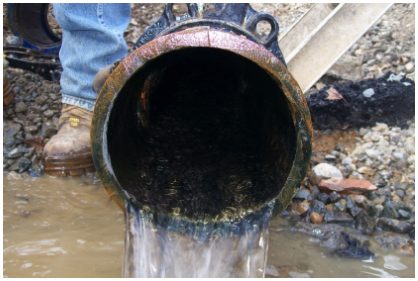
Bacteria, which comes from water that goes through a pipe, reacts to the iron found in a pipe’s interior walls. The result of this reaction is scale buildup, which grows thicker over time. Eventually, this buildup disrupts the pipe’s flow. Thus, a common sign that your pipe may have scaling buildup is a restricted water flow.
Benefits of Pipe Descaling
Choosing APS for pipe descaling services offers multiple advantages:
Restores water flow and system pressure
Prevents corrosion and pipeline damage
Reduces long-term maintenance costs
Extends the life of cast iron pipes
These benefits make cast iron pipe descaling a practical and cost-effective alternative to full pipe replacement.
Cost of Pipe Descaling
Many property managers ask, “how much does pipe descaling cost?” The cost depends on factors such as the length and diameter of your pipes, the severity of the scale, and the cleaning method required.
Compared to replacing pipelines entirely, pipe descaling services are significantly more economical while providing long-term benefits and improving pipeline efficiency.
WHEN DOES A PIPE NEED DESCALING?
A pipeline should be descaled when its restricted flow has impacted your operations.
One example of this is the impact of pipe scale on fire suppression systems. These systems are tested each year to ensure they meet the required standard gallons per minute.
Understandably, a fire suppression system with restricted water flow will not reach the standard and must be fixed. By descaling your pipes every five years, you can remove build up and improve the flow of water.
WHAT TYPES OF PIPES NEED DESCALING?
Scale buildup is most commonly found in various types of metallic pipelines. This buildup tends to be more pronounced in cast iron pipes or ductile iron pipes.
Other types of pipes that can experience scale buildup include the following:
Unlined steel pipes
Copper pipes
Concrete pipes
Asbestos-cement pipes
Finding Pipe Descaling Services Near You
For those searching pipe descaling near me, American Pipeline Solutions provides expert assessment and tailored descaling solutions. APS combines advanced equipment with experienced technicians to deliver reliable, effective pipe descaling services for cast iron pipes and other pipeline systems.
Why Choose American Pipeline Solutions
American Pipeline Solutions delivers professional pipe descaling services that restore flow, prevent future scale, and extend the life of your pipelines. With state-of-the-art equipment and proven expertise, APS ensures your cast iron pipes remain efficient and reliable for decades.
Contact American Pipeline Solutions today to schedule a pipe descaling assessment or learn more about our comprehensive pipeline services.
FAQs:
What is pipe descaling?
Pipe descaling is the process of removing hard mineral deposits and corrosion by-products, known as scale or tuberculation, from the inside of a pipe. In cast iron and ductile iron lines, bacteria reacting with the pipe wall can create thick deposits that restrict flow and reduce pressure. Professional descaling restores the internal diameter, improves water movement, and helps extend the life of the pipeline.
What causes scale or tuberculation inside cast iron pipes?
Scale, or tuberculation, forms when minerals and corrosion products build up on the interior walls of metallic pipes over time. In cast iron pipes, water-borne bacteria react with the iron, creating raised mounds or nodules that gradually grow thicker. This buildup narrows the pipe, reduces water flow, and can eventually impact critical systems like domestic water, fire lines, or sewer lines.
What are common signs that my pipes need descaling?
Typical signs that a pipeline may need descaling include reduced water flow or pressure, frequent blockages, slow drainage, and sometimes unusual tastes or odors in the water. In fire suppression systems, failing a fire flow test or not achieving required gallons per minute is a strong indicator that tuberculation is restricting capacity. When these symptoms appear, a pipe descaling evaluation is recommended.
How does American Pipeline Solutions perform pipe descaling?
American Pipeline Solutions begins with a visual inspection to assess the level and type of buildup. Based on the findings, APS selects the most appropriate method, which may include pigging, rotary-head technology, or Picote mechanical equipment for more aggressive scale removal in underground utilities and fire lines. Once the scale is removed, APS can apply an internal epoxy coating to help prevent future buildup and extend the line’s service life.
Why does APS often use Picote mechanical equipment instead of starting with pigging?
In heavily tuberculated cast iron pipes, foam pigs can break apart before they remove the toughest scale, which makes them less effective as a first step. APS frequently uses Picote mechanical equipment because it applies a stronger, controlled mechanical force directly to the scale, removing even dense buildup while using less water than pigging or rotary methods. Pigging may still be used later in the process, but Picote tools are often the most efficient starting point for severe tuberculation.
How often should pipes be descaled?
The ideal descaling interval depends on water quality, pipe material, operating conditions, and system criticality. For many cast iron fire suppression lines and domestic water lines with recurring tuberculation issues, descaling every five years is a practical guideline. APS evaluates each system individually and can recommend a maintenance interval based on flow performance, inspection results, and past scaling history.
Is pipe descaling better than replacing cast iron pipes?
For many properties, pipe descaling is a more economical and less disruptive alternative to full pipe replacement. Descaling restores internal diameter, improves flow and pressure, and can be combined with an epoxy coating that adds decades of service life. Replacement may still be necessary for severely damaged or structurally compromised lines, but APS’s descaling and coating approach often delivers a long-term solution at a fraction of the cost of new piping.
What types of pipes can benefit from descaling?
Scale buildup is most common in metallic pipelines such as cast iron and ductile iron, but other materials can also be affected. Unlined steel, copper, concrete, and asbestos-cement pipes may all develop internal deposits over time that restrict flow. APS assesses pipe material, age, and condition to determine whether descaling is appropriate and which method will be most effective.
How does epoxy coating help prevent scale from returning?
After descaling, APS can apply a thin epoxy coating to the cleaned interior surface of the pipe. This coating creates a smooth, protective barrier between the water and the pipe wall, reducing the conditions that allow tuberculation to form. The epoxy is safe for potable water, has been evaluated by high-level organizations, and can add 30–50 years of integrity, significantly reducing how often future descaling is needed.
How much does professional pipe descaling cost?
The cost of pipe descaling depends on several factors, including pipe length and diameter, the severity of tuberculation, access points, and the specific cleaning method used. While each project is priced individually, descaling is typically far more cost-effective than full replacement, especially in multi-occupancy buildings and fire suppression systems. APS provides project-specific assessments so property managers can compare descaling versus replacement on both cost and long-term performance.